Historical Fiction & Irish-American Heritage
Some of the real-world history and Celtic folklore that inspired the multigenerational family saga, The Healer of Corky Row.
The Weight of a Geis
In Celtic mythology, a geis is more than a simple promise; it is a supernatural obligation that functions as both a blessing and a curse.
For the ancient heroes of Ireland, honoring a geis led to legendary greatness, while violating one resulted in a swift and often spiritual downfall. In The Healer of Corky Row, Nuala Conneely arrives in America burdened by such a vow—a spiritual contract to preserve the ancient traditions of her homeland as the only way to atone for her role in her father’s death.
This ancient, unyielding requirement forces Nuala to navigate the relentless modernization of the 20th century while bound to a world that is rapidly vanishing.

Roots of the Narrative
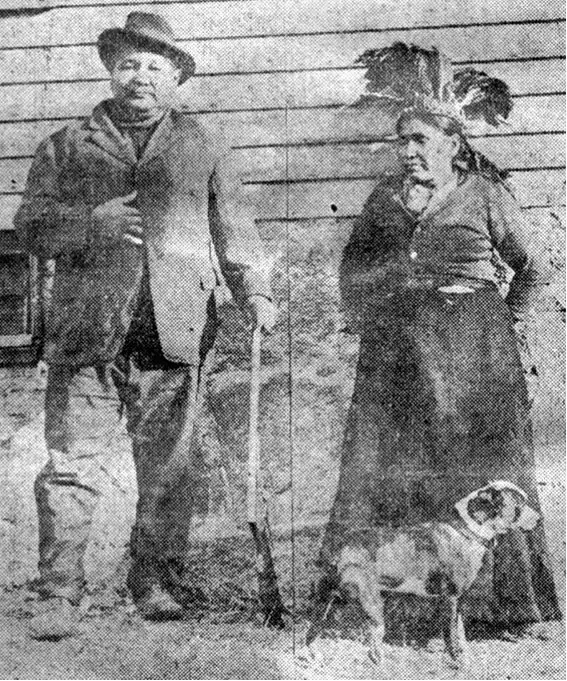
The inspiration for this story began in my hometown of Fall River, Massachusetts. Growing up, I saw a dismal landscape of empty factories, but over time, I realized those mills were the reason my ancestors and thousands of other immigrants risked everything in the name of hope. This history of survival is shared by the land’s first residents, the Pocasset Wampanoag.
I was particularly moved by stories of Charlotte White, Fanny Perry, Dr. William P. Perry, indigenous people who lived in this region, as well as others from further afield, including Hannah Meuse, Gladys Iola Tantaquidgeon, and Susan La Flesche Picotte. The little I was able to learn about these people inspired me. I hope someday to learn more about them.
This sense of displacement—of having one’s “heart in one place when your feet are in another”—is the bittersweet heartbeat of the novel.
The Vanishing Village: Claddagh, Galway
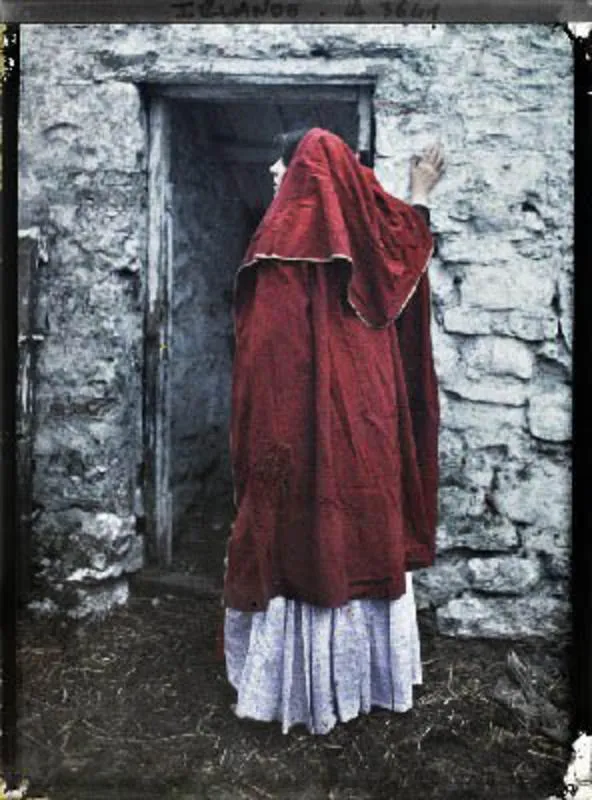
Before its destruction, the Claddagh was a vibrant, independent fishing colony just outside Galway’s Spanish Arch. It was a place of red-sailed “Hooker” boats and a unique language, ruled by its own elected king.But the real world caught up to the village. Claddagh fishermen couldn’t compete with the modern trawlers that came to fish nearby waters.
Little by little, the village grew smaller, poorer and less stable. Its young people moved to the city or emigrated. By the 1930s, citing a spread of tuberculosis, the government relocated the last residents and razed the few remaining cottages, erasing centuries of unique identity. Fortunately, a pair of French photographers had traveled to western Ireland in 1913 and took stunning pictures of some of the last residents, including 14-year-old Main Ni Tuathail, and the healer, Nan (or Nonnie) O’Toole, a mother of seven. Their images inspired the creation of my protagonist.
The Industrial Engine: Troy Mills
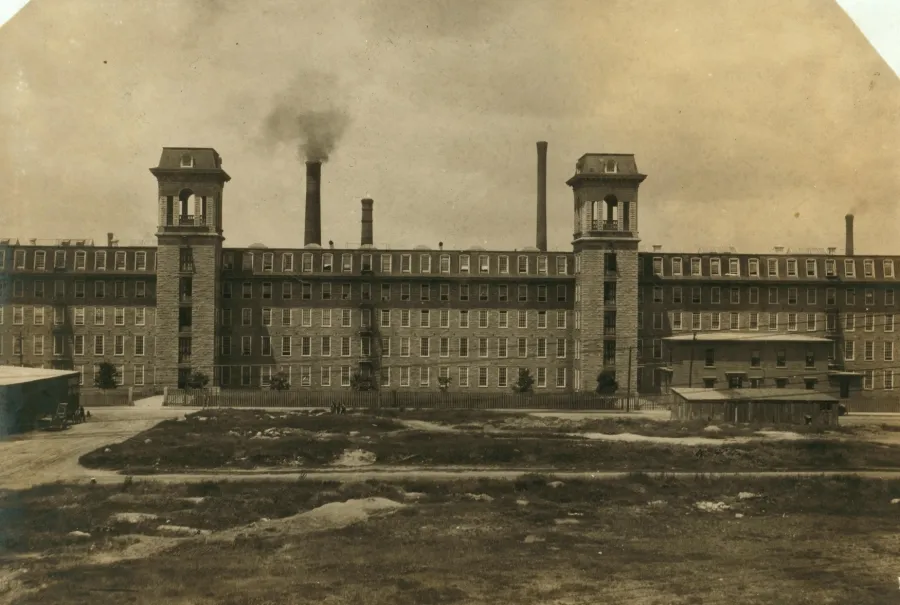
The fictional Troy Mills is modeled directly on the massive textile factories of my hometown, Fall River, Massachusetts. By 1910, Fall River had earned its reputation as the textile capital of the world, boasting the largest cloth-printing mill on earth and employing a global immigrant workforce of over 6,000 people in a single facility.
Troy Mills embodies this immense industrial machine—a world of grit and “urban luster” that drew thousands of workers across the Atlantic in search of hope. This towering, real-world landscape provides the perfect historical backdrop for Nuala’s struggle, forcing her to find a life in balance amid the deafening roar and relentless modernization of the American mill era.
Art of the Story: The Illustrations
The illustrations were inspired by the Book of Kells and created by the brilliant Jo Ahola.
I imagined the healers and hags illustrated Nuala’s Book of Knowledge with the botanicals to help explain the various cures.
In The Healer of Corky Row, each chapter heading features a botanical used as a cure in the subsequent pages. Do you recognize any of these plants and flowers? Look for cedar, lavender, thyme, wintergreen, chrysanthemums, St. John’s Wort, elderflower, and more.